المقال: Dry Lips After Lip Blush: When and How to Use Lip Oil Safely
Dry Lips After Lip Blush: When and How to Use Lip Oil Safely
Lip blush, sometimes called permanent lip makeup or lip tattooing, can give the lips a more defined shape and a soft wash of colour. But during the days following the procedure, many people experience lips that feel tight, dry, sensitive or flaky.
It can be tempting to reach immediately for a favourite gloss or lip oil. However, freshly treated lips are still healing, and the right product depends on where you are in that process.
The simplest rule is this: follow your technician’s aftercare instructions during active healing, and return to cosmetic lip oil only when the lips have healed and your technician says it is appropriate.
Why do lips feel dry after permanent lip makeup?
Lip blush is a form of permanent makeup in which pigment is placed into the skin using fine needles. This temporarily disrupts the surface of the lips. Mild swelling, tenderness, dryness and peeling can be part of the recovery process as the skin barrier settles.
The lips are already more vulnerable to dryness than many other areas of the skin. They have a delicate surface and are constantly exposed to talking, eating, drinking, weather and the natural temptation to lick them. After a lip-blush procedure, that sensitivity can feel more noticeable.
Dryness does not mean the lips should be scrubbed or that peeling skin should be removed. Picking, rubbing or biting the lips can irritate the area and interfere with the healing surface.
The first stage: healing comes before beauty products
Permanent makeup should be treated as a procedure, not simply as freshly applied lipstick. The U.S. Food and Drug Administration notes that permanent makeup is a form of tattooing and that possible complications include infection and allergic reactions.
During the initial healing period:
- Follow the instructions provided by your qualified lip-blush technician or healthcare professional.
- Use only the healing balm or ointment they recommend.
- Wash your hands before touching the area.
- Avoid picking, biting or pulling away peeling skin.
- Avoid lipstick, gloss, lip oil and other cosmetic products until the surface has healed and your technician has approved their use.
There is no single day that is right for everyone. Healing time can vary depending on the procedure and the individual. The lips should no longer feel raw, open, actively peeling or unusually tender before regular cosmetic products are reintroduced.
If redness, swelling or pain worsens rather than improves—or you notice discharge, spreading irritation or signs of an allergic reaction—contact a qualified healthcare professional.
When can lip oil return to your routine?
Once the lips are fully healed and your technician has confirmed that normal lip products can be used again, lip oil can become a comfortable part of everyday maintenance.
Lip oil should not be presented as a treatment for the procedure, and it does not replace professional aftercare. Its role begins later: helping healed lips feel softer, look smoother and maintain a polished finish.
Depending on its formula, lip oil may help in several ways.
1. Softening the feel of dry lips
Oils and other emollient ingredients can give healed lips a smoother, more comfortable feel. This can be especially welcome after a period of dryness or peeling.
2. Helping reduce moisture loss
Lip oil creates a light layer over the surface of the lips. This can help slow moisture loss and support a softer appearance.
If the lips are extremely dry or cracked, dermatologists generally recommend a thicker, non-irritating ointment because it seals in water longer than an oil.
3. Enhancing the appearance of lip-blush colour
A clear or lightly tinted glossy finish reflects light and can make the healed lip colour appear fresher and more luminous without covering it with heavy lipstick.
4. Offering a lighter alternative to sticky gloss
For people who enjoy shine but dislike a heavy or sticky texture, a non-sticky lip oil can be an easy option for daily wear after the healing period is complete.
How to use lip oil after the lips have healed
Once you have approval to return to normal cosmetics, keep the routine gentle:
- Apply lip oil to clean, healed lips using a clean applicator.
- Begin with a small amount rather than repeatedly layering the product.
- Stop using any product that causes burning, stinging, itching or discomfort.
- Avoid licking or biting the lips, as this can make dryness worse.
- Remember that shine is not sun protection. Use a suitable SPF lip product when sun exposure is expected.
- If your lips remain very dry, consider using a plain, non-irritating balm or ointment, especially before bed.
The American Academy of Dermatology advises choosing non-irritating lip products and notes that fragrance and certain flavouring ingredients can aggravate lips while they are chapped. This is another reason to wait until active peeling and sensitivity have ended before returning to regular cosmetics.
A simple distinction worth remembering
During healing: Use only the aftercare product recommended by your technician.
After healing: Lip oil can support softness, shine and everyday comfort.
That difference protects both the healing skin and the result of the procedure.
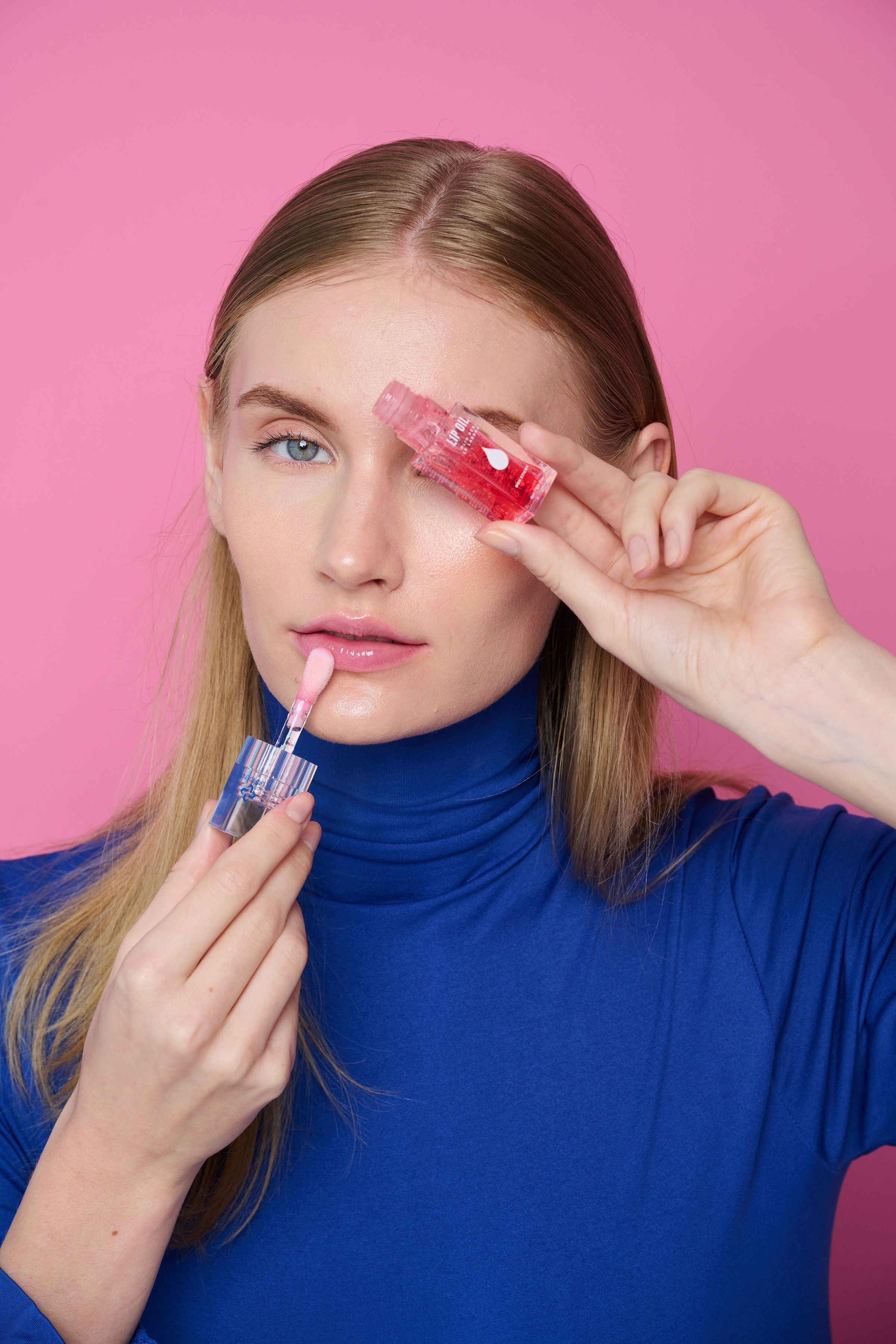
CONFIDENT Non-Sticky Lip Oil
After the lips have completely healed, CONFIDENT Non-Sticky Lip Oil can be used as part of a regular beauty routine for a lightweight, glossy finish without the heavy feel of traditional lip gloss.
Available in Strawberry and Grape, it is designed for everyday cosmetic use on healthy, healed lips.
CONFIDENT Lip Oil is a cosmetic product. It is not an immediate post-procedure aftercare product and is not intended to treat, heal or prevent complications from permanent makeup.
Shop CONFIDENT Non-Sticky Lip Oil 
Final thought
Permanent lip makeup may simplify the daily beauty routine, but the healing stage deserves patience. Give the lips time to recover, follow the advice of the professional who performed the procedure and reintroduce cosmetic products gradually.
Once healing is complete, a light lip oil can help keep the lips looking soft, glossy and beautifully finished—allowing the new colour to shine without covering it.
Sources and further reading
- U.S. FDA: Tattoos & Permanent Makeup Fact Sheet
- American Academy of Dermatology: Tips for healing dry, chapped lips
This article provides general beauty information and is not medical advice. Always follow the aftercare instructions provided by your qualified permanent-makeup professional or healthcare provider.